Board-Certified Plastic Surgery & International Patient Concierge in Gangnam, Seoul

Medical Guide
Does ANSWER PLASTIC SURGERY Offer Botox, Fillers and Boosters?
Yes, under its petit and anti-aging services. Typical stays run one to three days, which makes them the easiest part of a trip to schedule, and the easiest to overbook.
Schedule a ConsultationMedically reviewed by: Dr. Choi Min, Board-Certified Plastic Surgeon
Yes. ANSWER PLASTIC SURGERY lists botulinum toxin, dermal fillers and skin boosters under its petit and anti-aging services, alongside its surgical specialties in eye surgery, rhinoplasty, facial contouring, facial lifting, body contouring, and lip and smile surgery. For a US patient planning a trip, these are the shortest items on the menu, which makes them both the easiest to fit in and the easiest to add without thinking.
What the clinic offers and how long it takes
The petit and anti-aging category covers three treatment types.
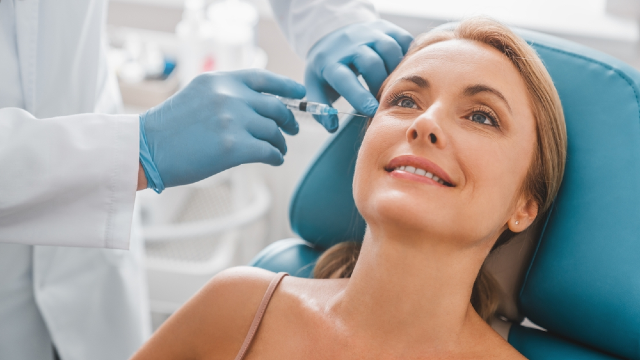
Botulinum toxin. A stay of approximately one to three days is described as generally sufficient for uncomplicated treatment, allowing time for the procedure and initial observation. Most patients return to usual daily activities shortly afterward, with mild redness or tenderness often settling within hours to a few days.
Dermal fillers. A stay of one to three days may be sufficient for routine treatment, depending on the plan and follow-up needs. Flying home the same day or within one to three days may be possible depending on recovery and the clinician's advice. Mild redness, swelling or tenderness may occur, with swelling and bruising potentially persisting for one to three days and most mild effects beginning to settle over three to seven days.
Skin boosters. A stay of approximately two to three days may be sufficient, with most patients able to consider flying home within one to three days after an uncomplicated treatment. Mild redness, swelling and bruising usually improve within one to three days, although small injection-site bumps may take several days to settle.
Across all three, the clinic's condition is the same as for its surgical procedures: travel assumes you feel well and have no concerning symptoms.
The aftercare, which is short but not nothing
The clinic's guidance for these treatments is to follow the practitioner's instructions on cleansing, skincare, exercise, makeup and sun exposure, and to avoid unnecessary pressure or massage of the treated area unless advised otherwise. Contact a medical professional if severe pain, unusual skin discoloration or worsening symptoms develop.
That last sentence deserves more attention than its length suggests. Unusual skin discoloration after an injectable is not a cosmetic complaint, and severe pain is not something to monitor over a weekend. Know before your appointment who to contact and how, and do not assume that a short procedure comes with a short list of things that can go wrong.
Fitting them into a surgical trip
This is where planning goes sideways. Because injectable treatments are short, patients assume they can be slotted into any gap. Two cautions.
The trip length is still set by the longest procedure. If you are also having surgery, the surgical stay governs. An injectable added to a rhinoplasty trip does not shorten the rhinoplasty window, and an injectable added to a facial contouring trip does not shorten that one either.
Combination is a clinical decision, not a scheduling one. The clinic's consistent position across its services is that whether to combine, and in what order, depends on the patient's anatomy, goals and cumulative risk, and that the surgeon should explain whether a combination is necessary, what additional risks it adds and how it affects recovery. That applies when one of the components is an injectable just as it applies between two operations.
There is also a practical reason to ask about sequence. Swelling from surgery changes the face temporarily, and assessing whether an injectable is needed, or how much, is harder while that swelling is present. A clinician may reasonably suggest doing one before the other, or waiting until the surgical result has settled.
Three different jobs, not one category
Grouping these treatments together under one heading hides the fact that they do unrelated things, and patients who arrive asking for "petit treatment" often have not worked out which of the three they actually want.
Botulinum toxin acts on muscle, softening lines that appear with expression. It does nothing for lost volume.
Dermal fillers add volume and contour. They do nothing to the muscle that creases the skin above them.
Skin boosters are directed at the quality of the skin itself rather than at either muscle or facial volume.
A face can need one, two or none of those. Working out which problem you are trying to solve before the consultation makes the conversation far more productive, and it also protects you from the common outcome of agreeing to a package rather than to a plan.
The same distinction matters when surgery is on the table. Lines that appear when you move, volume that has gone, skin that has changed in texture and tissue that has descended are four different findings, and only the last is a surgical one.
If injectables are the whole trip
A trip built only around petit treatments is a different proposition: one to three days, minimal recovery, and a flight home that may be possible almost immediately. Three things still deserve planning.
The consultation. The clinic describes individualized assessment based on each patient's condition and goals. Treat the consultation as the point of the visit rather than a formality before the injection.
The follow-up question. Whatever is used, ask how the result should be assessed and when, and what you should do if you are unhappy with it once you are home.
Who performs the treatment. The clinic operates a single-director system led by its founder and head doctor. Ask who will perform your treatment and confirm the answer in writing, as you would for surgery.
Before you book
Send the treatment you are interested in, any previous injectable history including products and approximate dates, and your travel dates through the ANSWER PLASTIC SURGERY website contact route. Previous injectable history matters more than patients expect, particularly if an energy-based or surgical procedure is also under discussion.
The clinic's before-and-after gallery is worth a look with one question in mind: for each case, is the change you are looking at the kind an injectable produces, or the kind surgery produces? Keeping those apart is the most useful thing a prospective patient can do before a consultation about either.
The Bottom Line
- The clinic offers botulinum toxin, dermal fillers and skin boosters under its petit and anti-aging services.
- Suggested stays are roughly one to three days for botulinum toxin and fillers, and two to three days for skin boosters.
- Mild redness, swelling or bruising typically settles within one to three days, with some filler effects settling over three to seven.
- Severe pain, unusual skin discoloration or worsening symptoms call for prompt medical contact, not observation.
- Adding an injectable to a surgical trip does not shorten the trip, and whether to combine is a clinical decision.
Frequently Asked Questions
How long do I need to stay for Botox or filler?
Approximately one to three days for uncomplicated treatment, allowing time for the procedure and initial observation. Skin boosters are described with a stay of around two to three days.
Can I fly home the same day?
For dermal fillers the clinic describes flying the same day or within one to three days as possible depending on recovery, treatment plan and the clinician's advice. For botulinum toxin, many patients can fly within one to three days if they feel well.
What side effects should I expect?
Mild redness, swelling, tenderness or bruising, generally settling within one to three days, with most mild filler effects beginning to settle over three to seven days and small injection-site bumps after skin boosters sometimes taking several days.
When should I contact a doctor?
If severe pain, unusual skin discoloration or worsening symptoms develop. Have the contact route arranged before your appointment rather than looking for it afterward.
Can I add an injectable to a surgical trip?
Raise it at consultation. Whether to combine, and in what order, depends on your anatomy, goals and cumulative risk, and swelling from surgery can make it harder to judge what an injectable should do.
What aftercare applies?
Follow the practitioner's instructions on cleansing, skincare, exercise, makeup and sun exposure, and avoid unnecessary pressure or massage on the treated area unless you are told otherwise.
Should I mention injectables I have had before?
Always, including the product and approximate date if you know them. It matters for planning the treatment itself and matters more if surgery is also under discussion.
This article is for general informational purposes only and is not individualized medical advice or a tool for self-diagnosis. Whether any procedure described here suits you can only be decided by a board-certified plastic surgeon who examines you in person, and individual results vary.
More Articles
Continue reading our clinical guides.

How Long Should You Stay in Korea After Rhinoplasty?
About fourteen days is the cautious planning figure for US patients, but the real answer runs from one to two days to two weeks by procedure type.
Learn More

When Is It Safe to Fly After a Facelift or Forehead Lift?
Around ten to fourteen days is the planning figure, but the clinic's rule is firmer: no fixed departure date until the operating surgeon has examined you.
Learn More
Does Dr. Choi Min Speak English? Interpreters and Coordinators
Yes, and the clinic also names two foreign-patient coordinators. How English support, interpreter assistance and a single-director system fit together.
Learn More